
We have been told or listened several things about certain animals and their monstrous behaviors from ancestors. We have believed some of the truths told, and some well embellished myths. Although some claims have it that these animals haven been observed to appear or behave as stated in their myths, this is not entirely true. Here you go with the below list of myths related to some well-known animals. :)
1. Bats Are Blind (But NOT Blind)
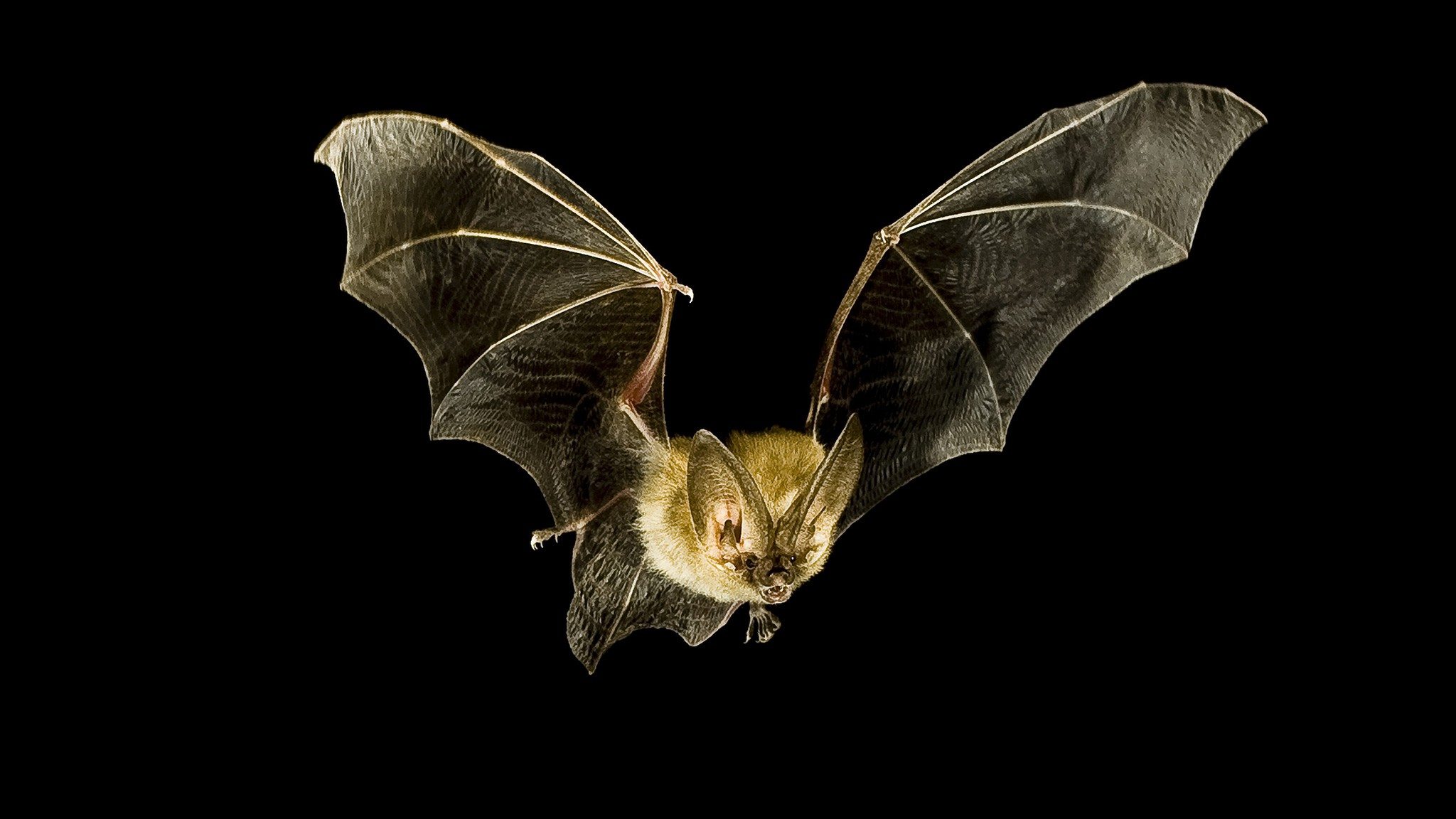
Blind has been automatically added as a prefix of bats “blind bat”. But the truth is that all bats can see to some extent. That’s why they have eyes. And most bats employ echolocation (which is like a kind of sonar) allowing them to “see” in greater detail than any human ever could. If bats are really blind, as believed, how then do they see to move around in the dark and locate tiny creatures that they eat? - The bat uses its mouth to create sounds that bounce off nearby objects, such as a moth.
2. Wedding Rice Kills Birds

No one knows who started this myth that is believed to be true. The idea that birds would be killed by eating any sort of dehydrated grain is odd. It is believed that if eaten, the grain will expand in the stomach of the bird and eventually explode. Its absurd but its a rumored myth.
3. Mother Birds Will Reject Their Baby Birds If Handled By Humans - (You ^_^)
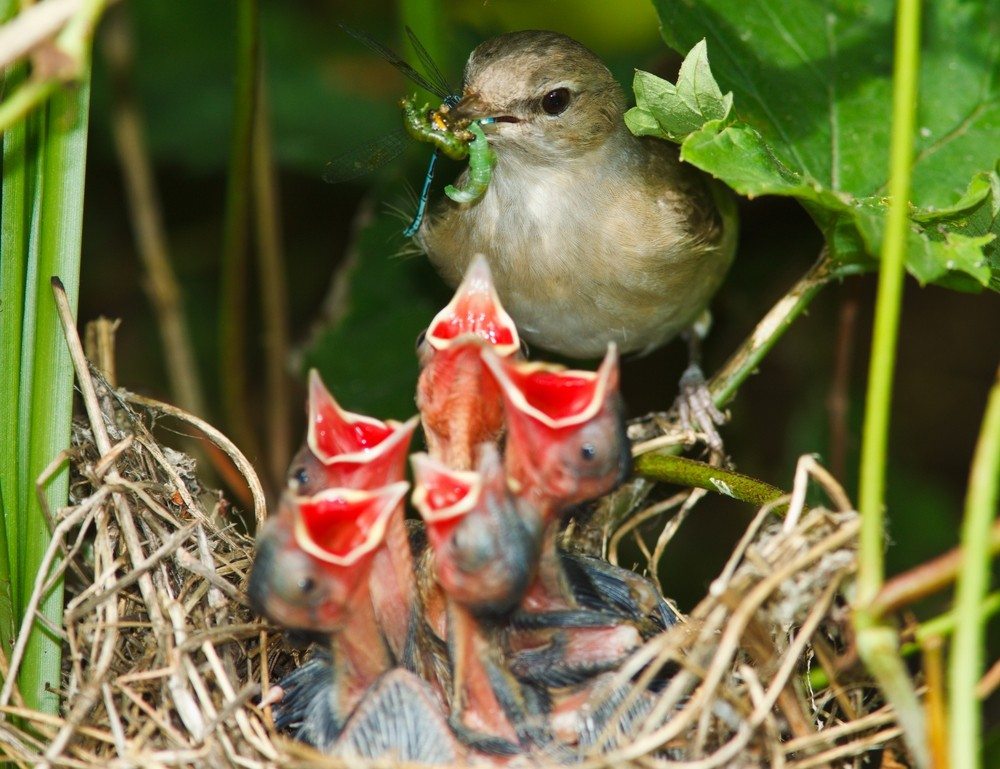
Often times when kids come across baby birds in their nest, this myth which they have heard overtime, stops them from touching the birds. Birds do not have a great sense of smell like humans, so how would a mother bird sense that her chicks have been touched by humans? Normally, a bird allows her little ones to fly around when they are old enough to, they become independent at such tender age, but humans just have a way of interpreting that behavior to mean – the chicks were abandoned because a human touched them.
4. Healthy Dogs Have Wet Noses

Humans sweat when their Adrenalin level is high, it has nothing to do with being healthy. Same with dogs; they have cold, damp or sweaty nose as an indication of their activity level in a particular period, it is not in any way related to its health condition.
5. Toads Give You Warts
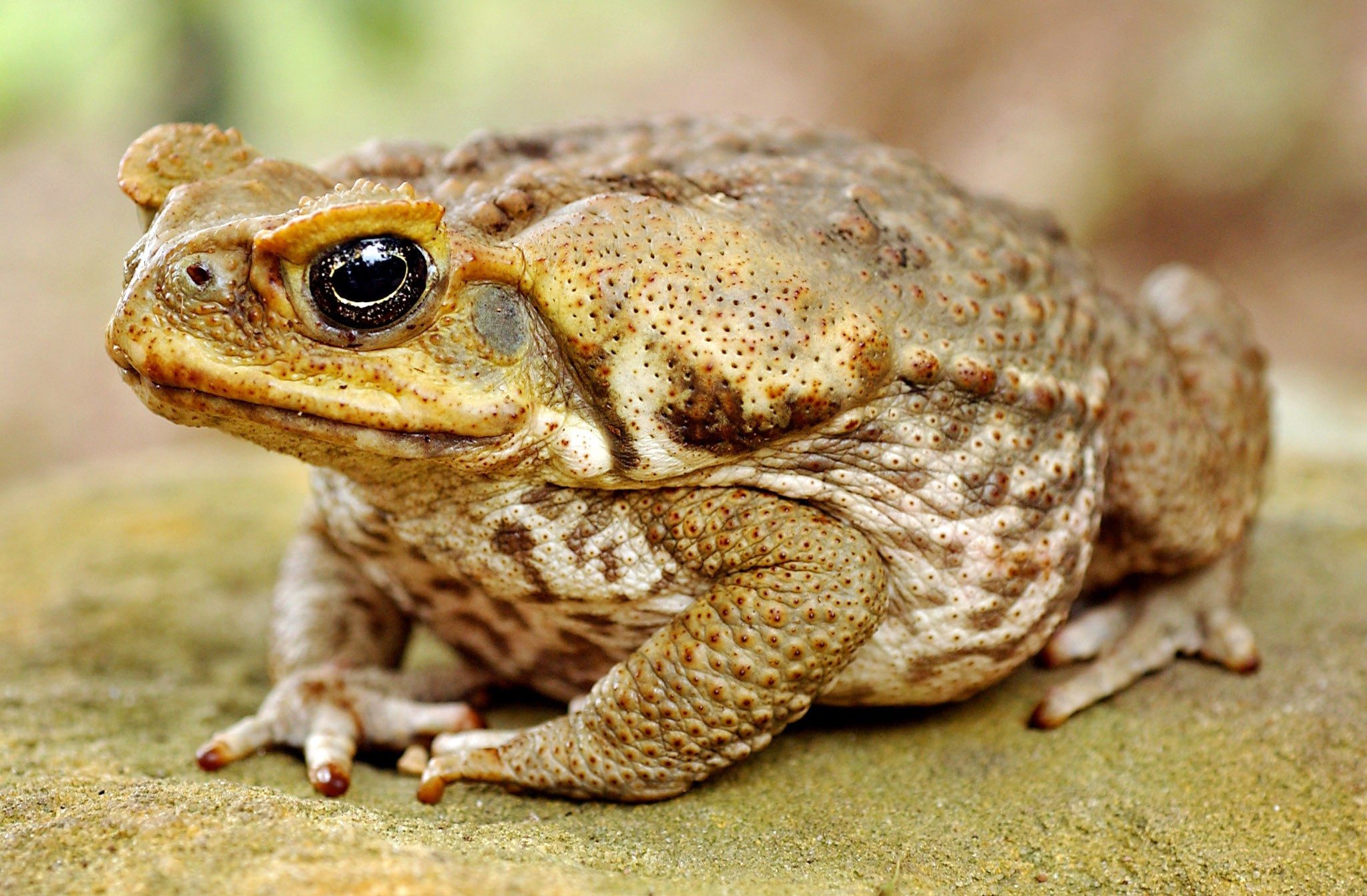
This myth is beginning to lose its hold on people, including children; only a few still believe that toads give warts. This myth probably came into existence when people wanted to stop kids from picking up animals outside for fear of picking dirt as well or contacting diseases. Warts are viruses, and they don’t come from toads.
6. Daddy-Long-Leg Spider Are The Most Poisonous
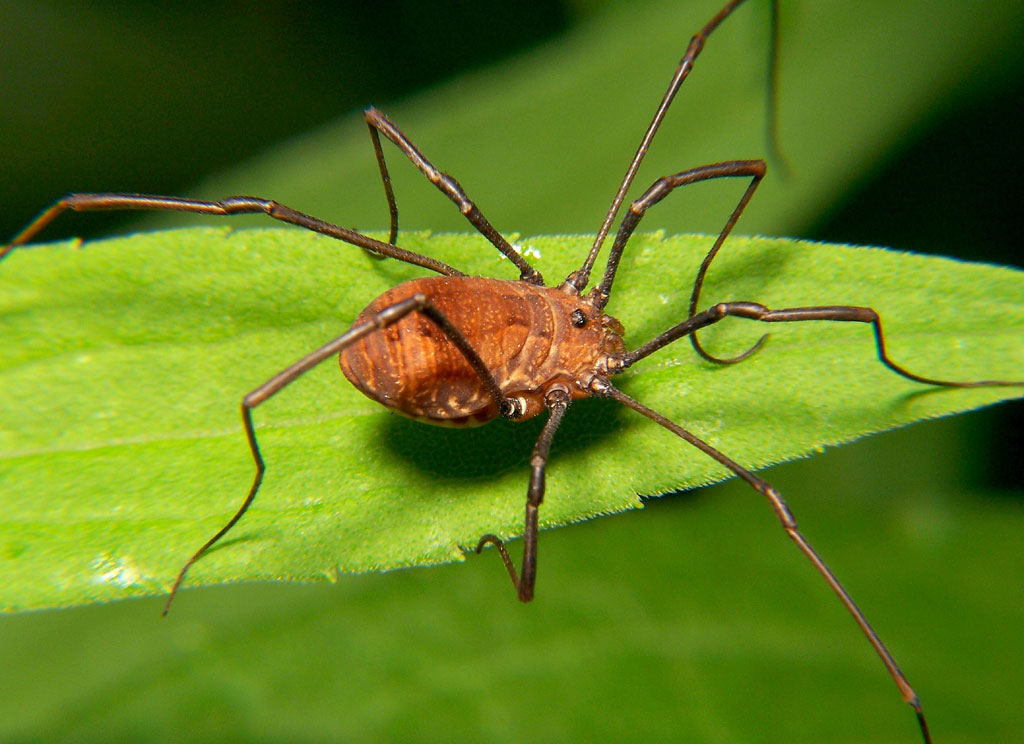
The long-legged Cellar Spider is an example of a Daddy Long-Leg Spider and is what is referred to in this myth. It is widely known that spiders spin webs to trap their preys, which humans are not one of. Being poisonous can only be affirmed if their venom have been injected into a human to see its effect, and until that is sure, we can not be so sure as to how dangerous a spider is. Also there are no toxicological studies of any kind showing the effects of pholocid venom on any mammal.
7. Pit Bulls Are a Hazardous & Harmful Dog Breed

Same trick with the spider myth, people have been made to believe that Pit Bulls are a dangerous breed of dogs. Generally, dogs are not dangerous, except they are trained to be. Any breed of dog is capable of attacking a human if trained that way, it is not restricted to Pit Bulls alone. According to the Centers for Disease Control, about 4.5 million people are bitten by dogs each year, with no specific percentage attached to Pit Bulls. It’s easy to believe this myth because Pit-Bulls were bred to fight, but many breeds of dog were trained to kill things and they don’t get banned from parks or buildings simply because of their breed. German Shepherds, Rottweilers, Dobermans, and Chows are also aggression breeds, but surprisingly there hasn’t been any myth of this nature linked to them.
8. Ostriches Bury Their Heads in Sand

This is one of the most common myths about animals. No animal can breath with its head buried in the dirt, it’s as simple as that. Would any animal actually commit suicide in this manner? Pretty sure, no. This myth probably came from the fact that ostriches, like many other kinds of birds, eat pebbles and sand to help them digest their food. They also turn their eggs with their beaks, which is most likely what they do when it appears as though they are burying their head in sand.
9. Possums Hang From Their Tails on Trees
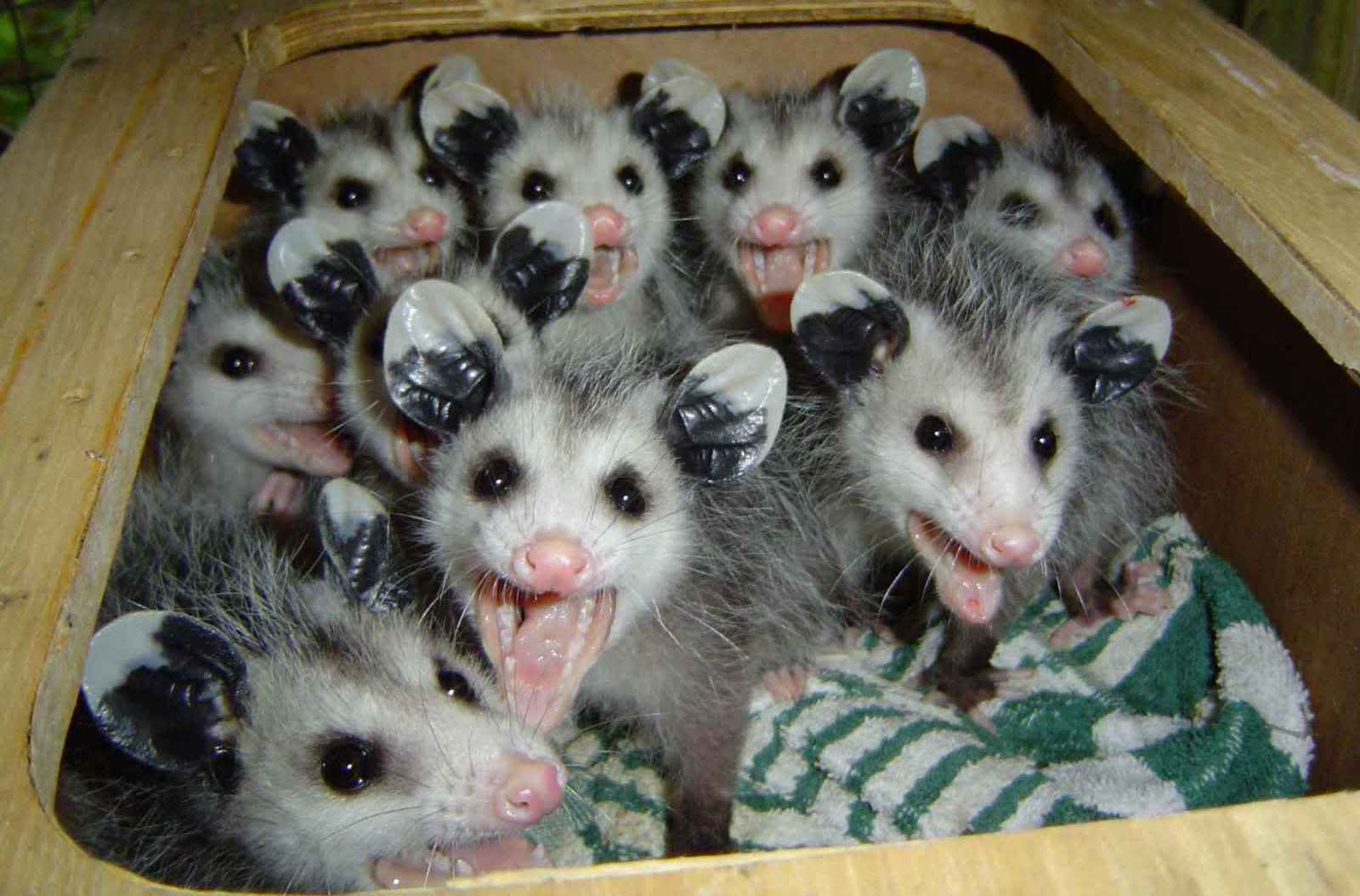
Possums do have partially prehensile tails, true. And young ones can hang upside down for short times, but why would they? Cartoons have blown this myth out of proportion, making it more convincing to believe that possums actually hang by their tails on trees. This act only sends blood rush to their brain which might lead to death.
10. Lemmings Commit Mass Suicide When Migrating

Lemmings have become the subject of a widely popular misconception that they commit mass suicide when they migrate, by jumping off cliffs. It is in fact not a mass suicide but the result of their migratory behavior. Driven by strong biological urges, some species of lemmings may migrate in large groups when population density becomes too great. Lemmings can swim and may choose to cross a body of water in search of a new habitat. In such cases, many may drown if the body of water is so wide as to stretch their physical capability to the limit. This fact, combined with the unexplained fluctuations in the population of Norwegian lemmings, gave rise to the misconception.
Comments
Post a Comment